
ML1878 - Sunny Corner
Sunny Corner operated from the 1850s through to the 1920s. At its peak, the mine was the largest silver mine in Australia.
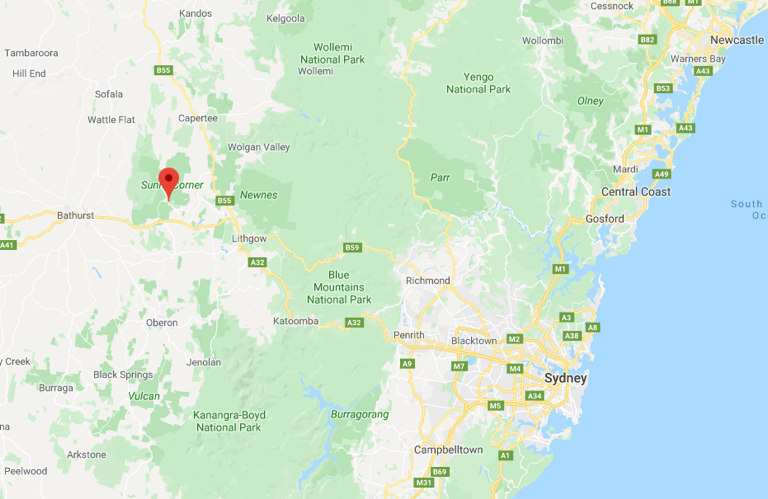
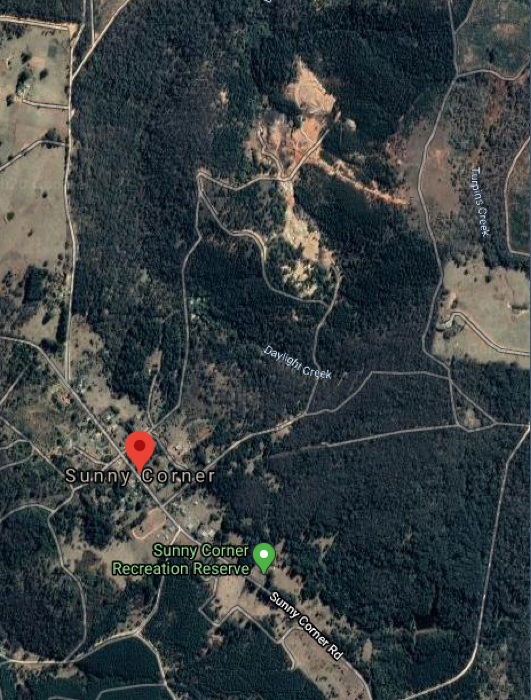
Sunny Silver Pty Ltd is a wholly owned subsidiary of Ecteoch Resources. ML1617 - which encompasses the historical, legacy Sunny Corner Mine, abandoned in the early 1900s - is owned by Sunny Silver. The Sunny Corner ML1617 Project is located halfway between Lithgow and Bathurst in NSW, around 2 hours drive west of Sydney.
Sunny Corner is a former mining town, which had a population of around 4,000 people at the time when mining was active. Now, the population has declined to less than 100 in the last census. The township is not the main focus of Sunshine Reclamation’s efforts. The mine itself is located approximately one kilometre to the north of the town.

Sunny Corner Legacy
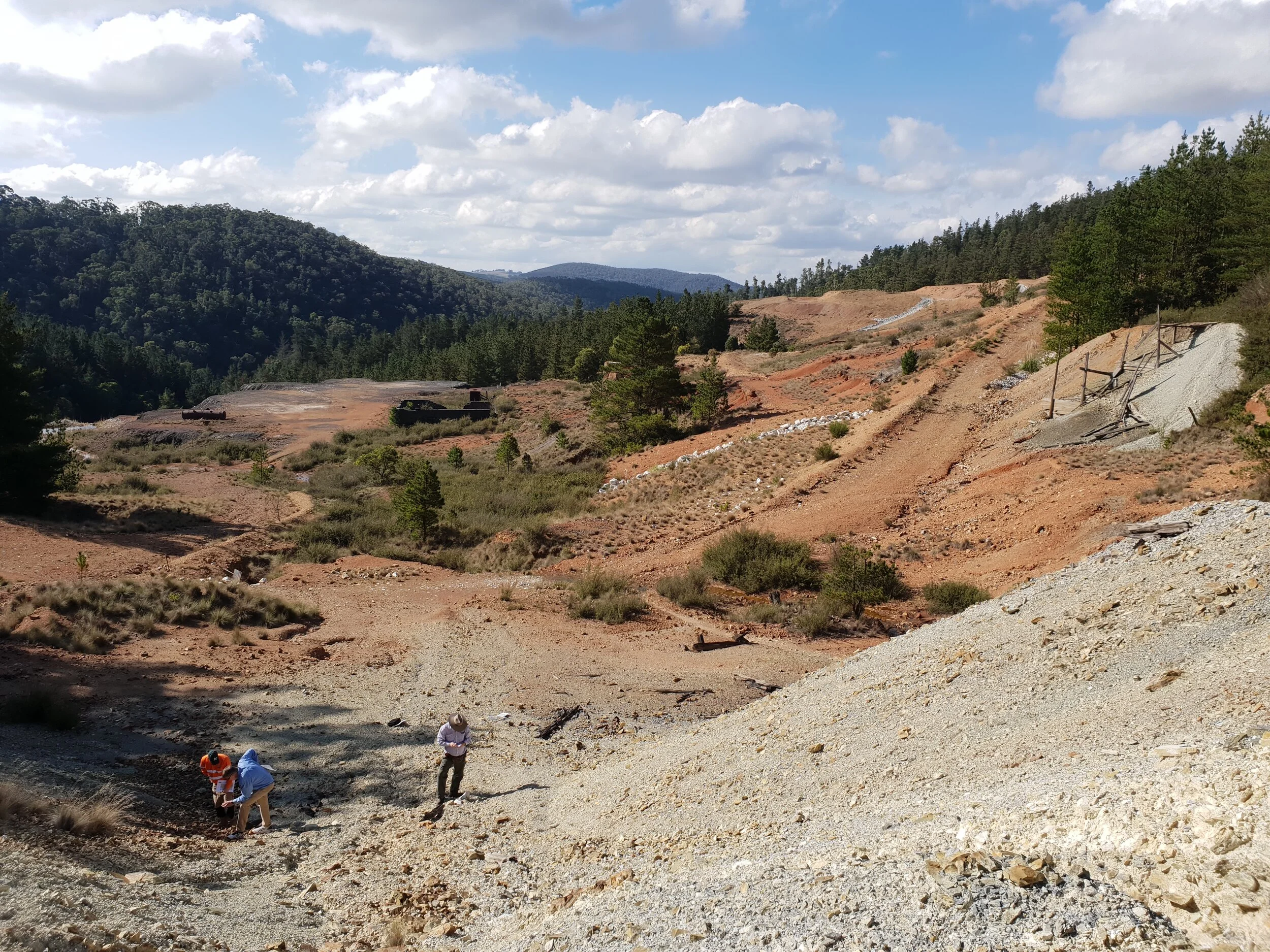
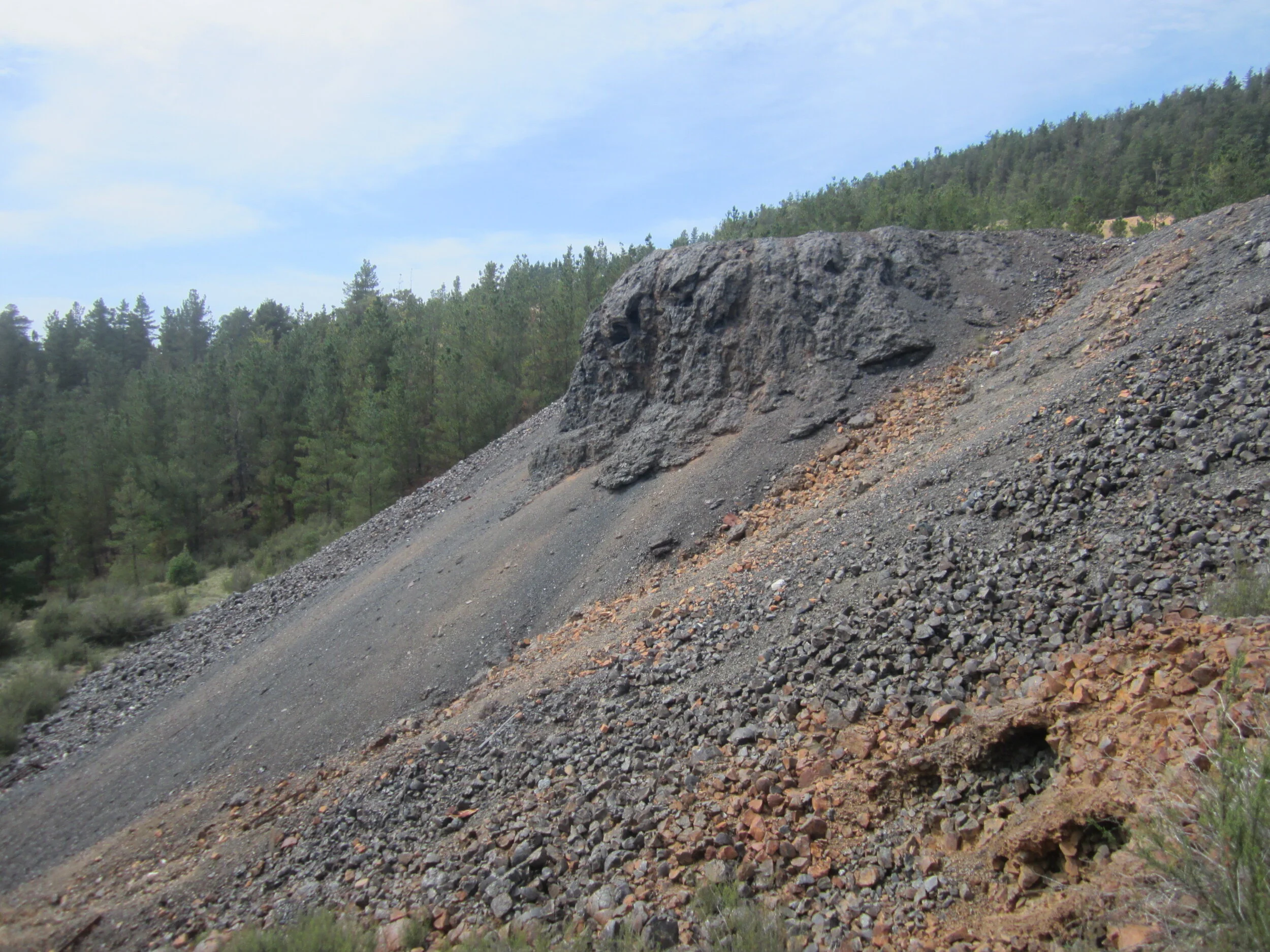
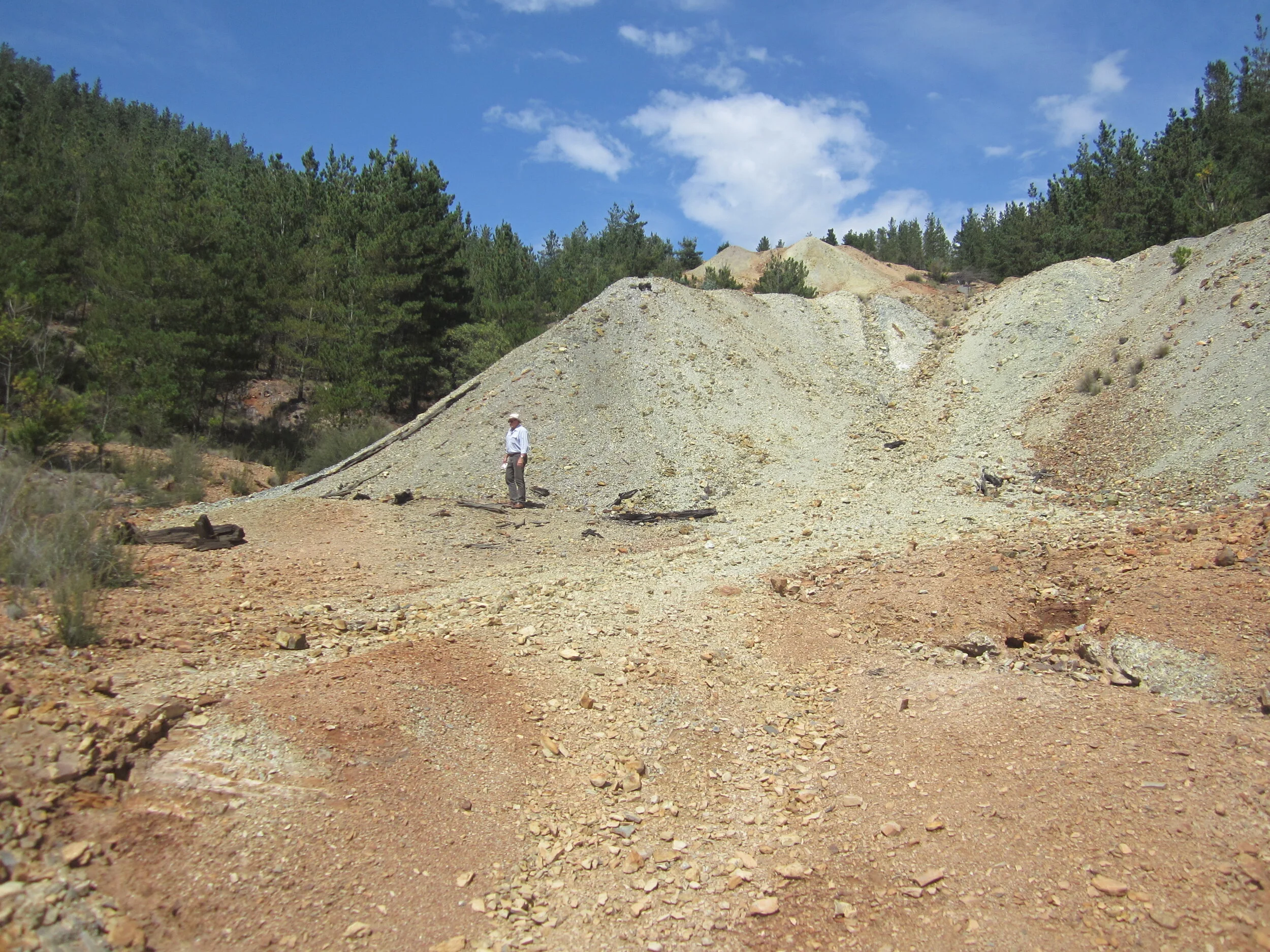
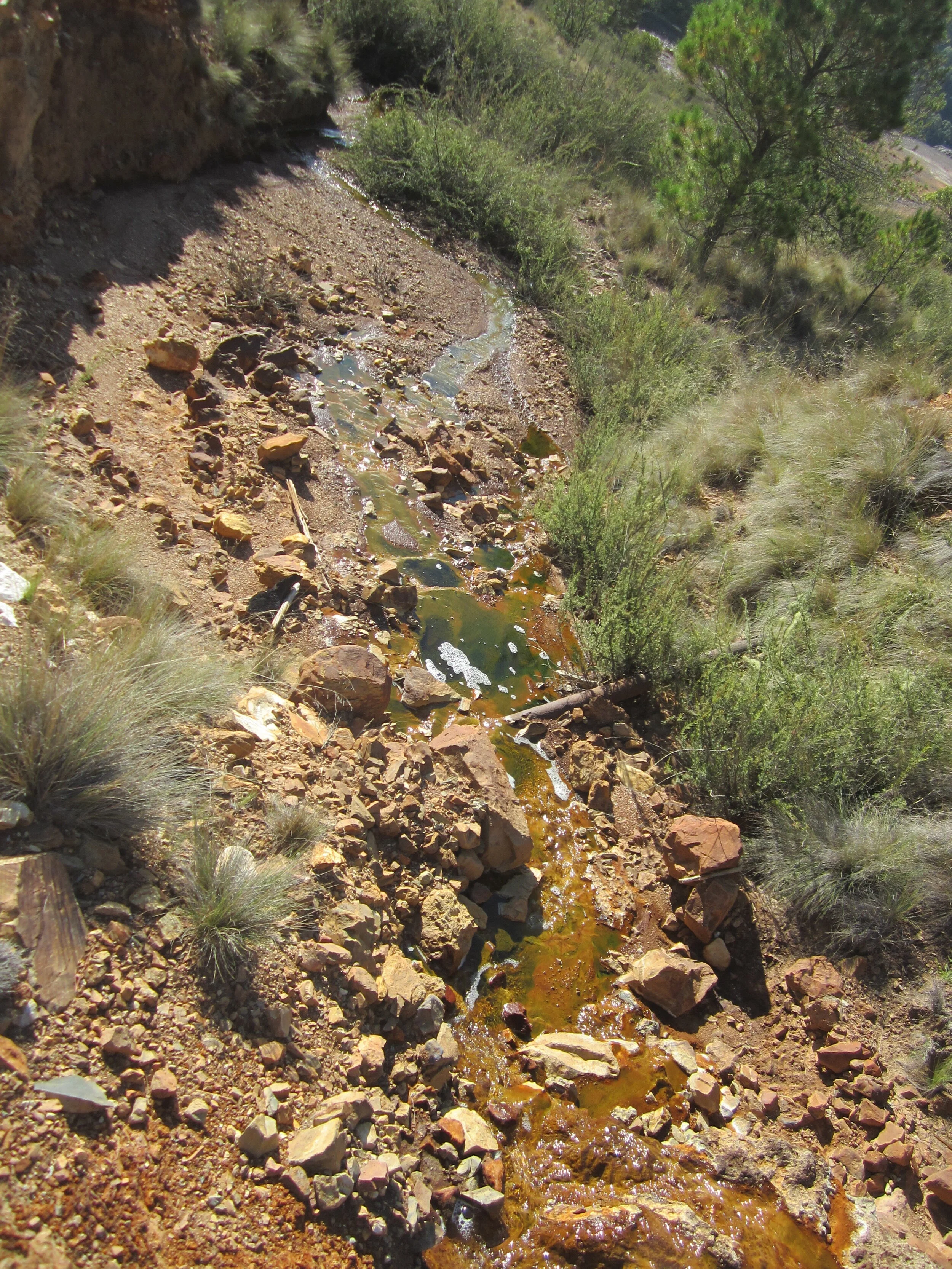
The Sunny Corner mine has left a permanent legacy of pollution and contaminated water and soils. To this day it continues to ooze acid and heavy metals into our environment and ultimately onto our plates. The area of the mine was stripped bare of natural vegetation more than a century ago and now colonizing pine trees have spread through the area killing biodiversity and choking out the natives and massively increasing the fire danger to the local community. A report by the Australia Institute submitted to a Federal Senate Inquiry into legacy mines in Australia in 2018 listed Sunny Corner in the top 10 most hazardous leagacy mines in NSW that sit on Crown Land.
The plan
Sunshine Reclamation plans to reclaim and rehabilitate the minesite area. First, it is targeting the slag heaps (which contain up to 35 times the level of arsenic in national guidelines). The slag heaps will be taken away from the site and processed in a modern processing plant to produce metals and a stable heavy metal by-product for long-term storage.
The area will then be recontoured and planted where possible. Next the piles of mullock will be removed, processed and then the area planted.
Ultimately, the aim is to remove the sources of the pollution and construct a new landscape and ecosystem similar to the pre-European environment. This will stop the pollution and provide a safe area for the community and animals.
Sunny Corner History
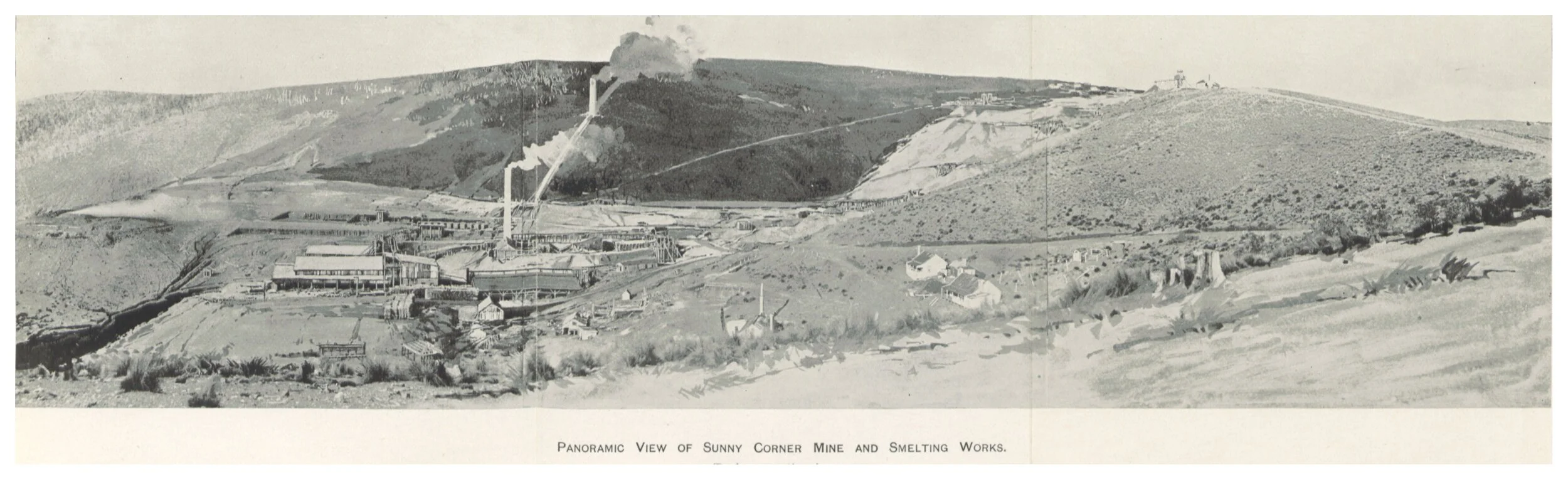
Few people realize that a major silver mine operated at Sunny Corner from the 1850s through to the 1920s. At its peak, the mine was the largest silver mine in Australia, employed 700 people and generated enormous wealth for the people of NSW. The operation was also at the technological forefront of ore processing at this time.
Processing the ore
There were several companies working at Sunny Corner and processing the ore. Some used the latest smelting technology while others used technology that was hundreds of years old. The main issue was that the ore was complex and the silver was enclosed in minerals called sulphides. Without burning off the sulphur in the minerals, the silver could not be recovered.
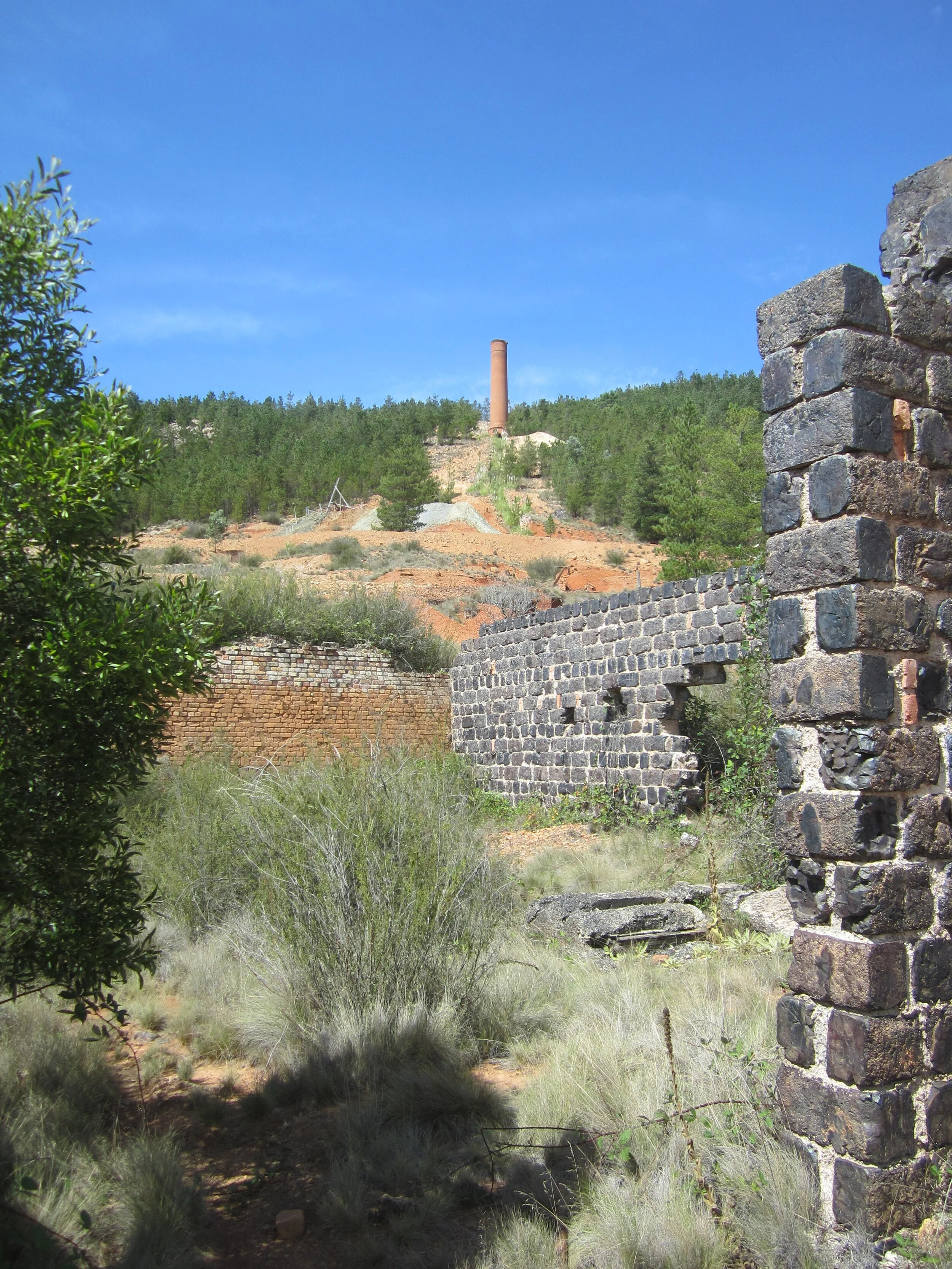
Open roasting was used by some companies. This involved stacking the ore in piles on wood and burning them before recovering the silver using gravity methods such as stamper mills or panning. As it burned, the sulphur would turn into acid and carry lead and arsenic fumes into the environment and into the lungs of the workers. Many people became sick or died as a consequence.
Some of the other companies installed furnaces which heated up the ore and allowed the silver to drain to the bottom and be recovered. They used coal, sand and limestone in the furnaces.
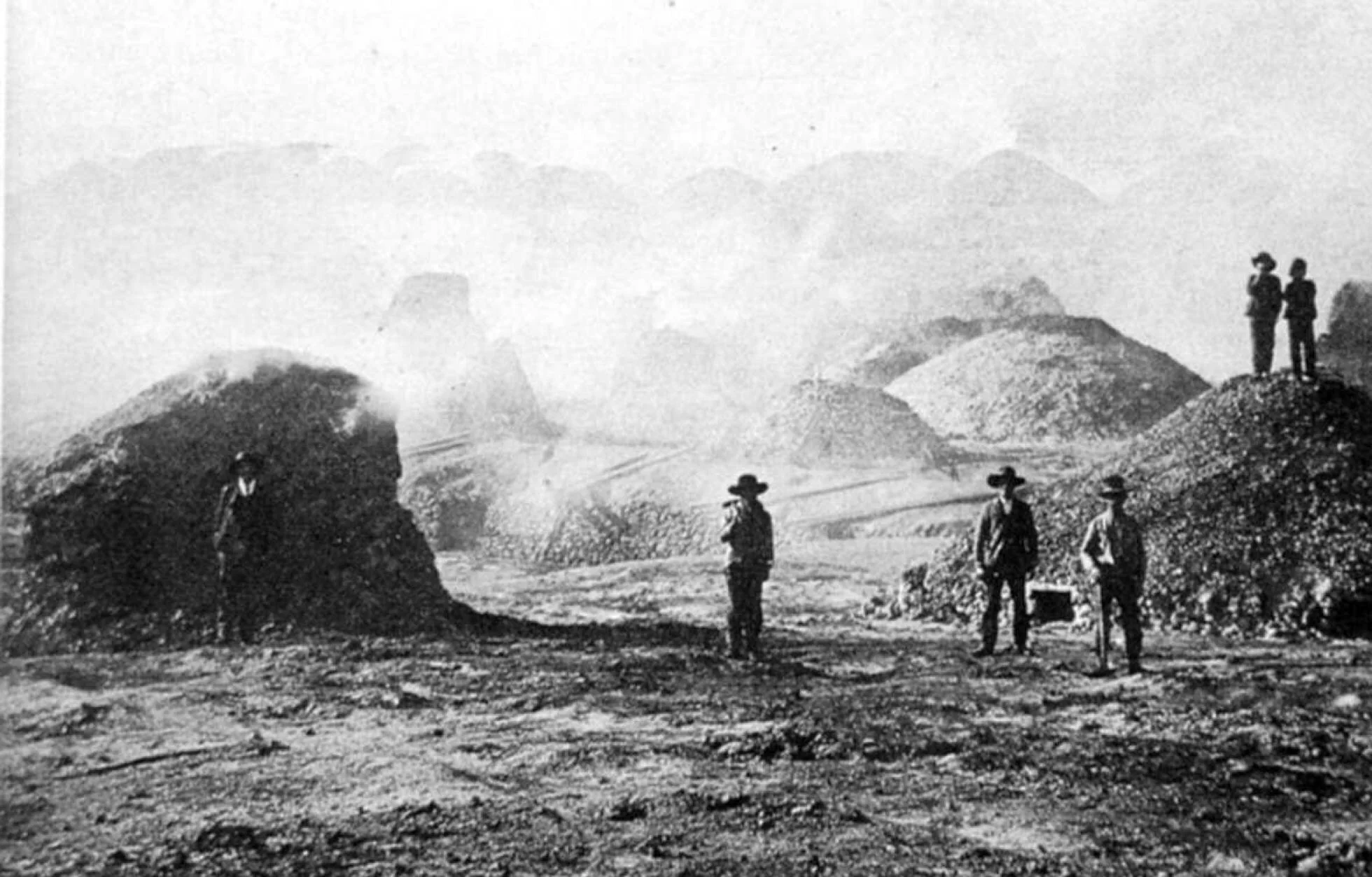
Mine pollution
The fumes belched out of the chimneys and spread across the land. Acid rain fell on the earth and the smell of garlic associated with arsenic from the ore permeated everything. An estimated 2 tonnes a day of arsenic was pumped out of the smelters for 30 years. The fumes would have choked the lungs, and burnt the eyes and the throat. The toxic metals caused madness, cancer and death.
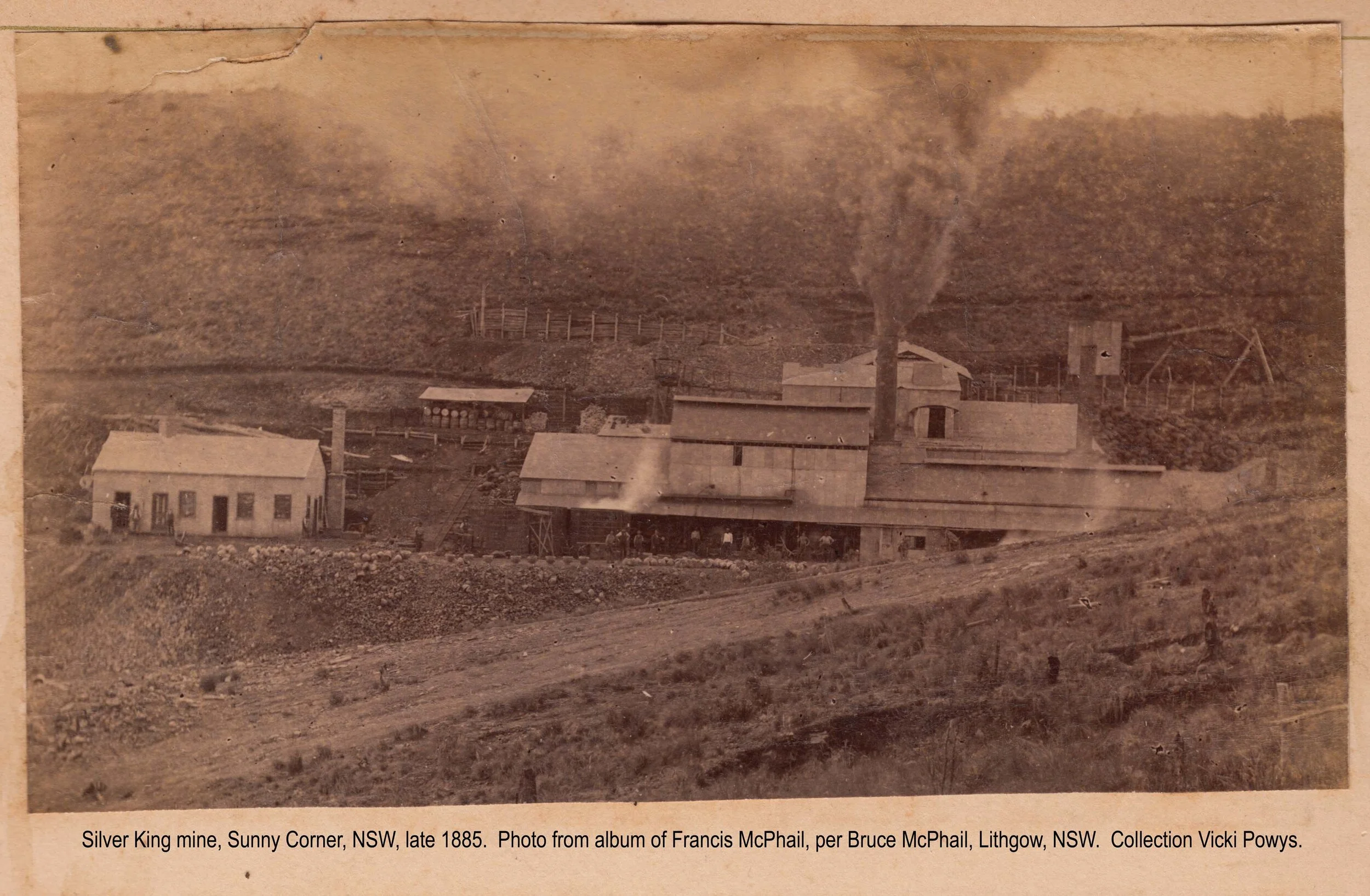
Pregnant women living nearby could expect increased miscarriages and stillbirths among numerous other side effects. Life at the mine would have been short, brutish and unpleasant.
The toxins remain in the soils around Sunny Corner to this day …. except for those which have already washed away into the rivers and today’s food chains.
For those who are interested, Vicky Powys wrote an exceptionally good history of the town and the mines in 1989. The book is now out of circulation but Vicky has generously placed an electronic copy of her book on her website. There are several other publications about the area and its history as well.
Slag
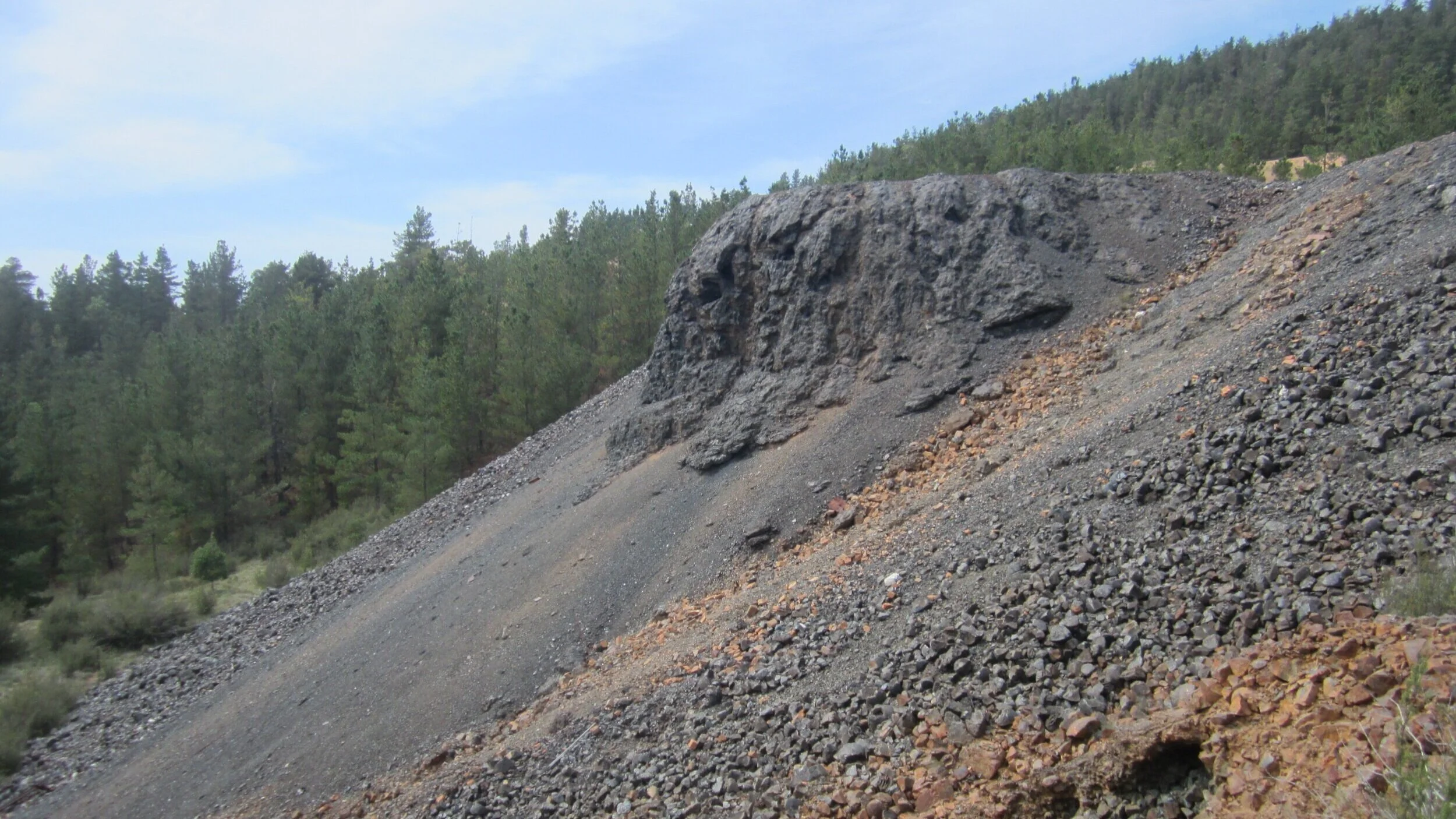
There are still other legacies of the smelters and mining that remain today. A by-product of the smelters was the slag poured off the smelting pots. This slag contained the metals that did not go up the smelter chimneys. The metal laden slag remains today – much as it was 100 years ago.
The slag was stacked in huge piles right next to the smelters and even today nothing grows on it. When acid from the old mines contacts the slag, it dissolves and releases the metals into the environment. These metals go into the waterways from which the cattle and sheep and crops we eat source their life giving water. As they drink, the metals go into their systems and eventually end up on our plates. Some communities further down the river draw their drinking water from the same waterways.
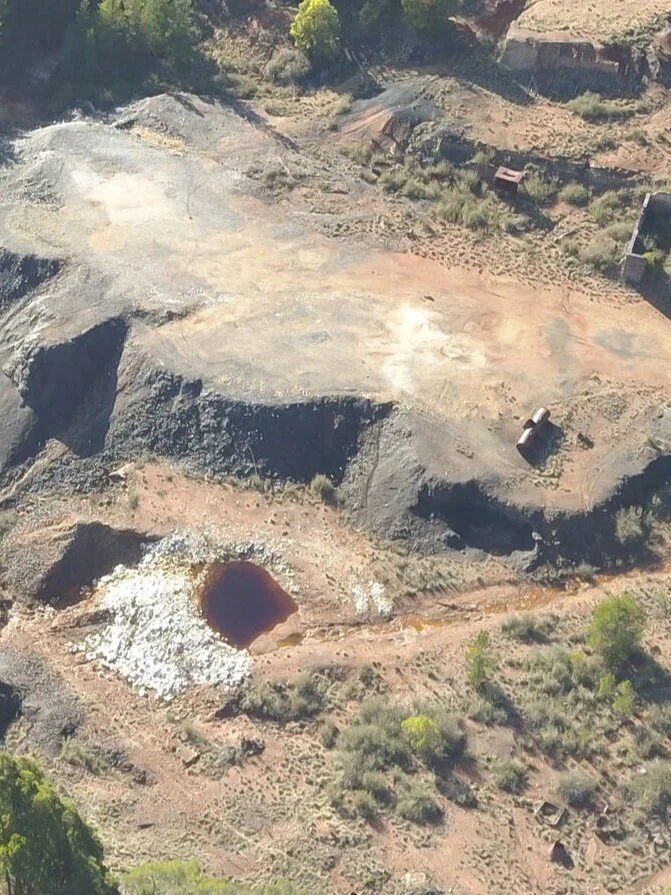
Sunny Corner is not alone. There are piles of materials like this all around the country oozing toxic waste into our rivers and waterways. Sunshine Reclamation has a solution to some of these.
In addition to slag, there are the heaps of rock that were not rich enough to process through the smelters a century ago. These heaps (known as mullock), lie around the surface today, untouched in a hundred years. Still, nothing grows on them.
The unfortunate thing is that when rain falls on these heaps, it creates acid which dissolves the metals in the mullock and carries them away in the groundwater and the stormwater.
Even worse, the acid works its way onto and through the slag heaps — collecting more metals and toxins before they are discharged into our waterways. And of course these are then carried away into our waterways and communities.